Storm Recovery Help: The Lake County One-Stop Shop is open in Gary Sept 23 – Oct 2 with free in-person help applying for FEMA assistance. Visit the Storm Info Hub for dates, hours, and other recovery resources.
Infectious diseases are illnesses caused by pathogens such as bacteria, viruses, fungi, or parasites that can spread directly or indirectly from one person, animal, or organism to another.
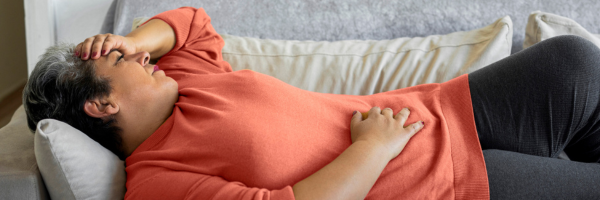
Chronic health conditions are long-lasting health issues, typically lasting for months or years, that often require ongoing management and can significantly impact a person's daily life and well-being.
Respiratory conditions are medical disorders that affect the lungs and airways, impairing breathing and oxygen exchange, often due to inflammation, infection, or obstruction.
Gastrointestinal Conditions
Gastrointestinal conditions are disorders that affect the digestive tract, including the stomach, intestines, and related organs, leading to symptoms like pain, bloating, and altered digestion.
Cancer
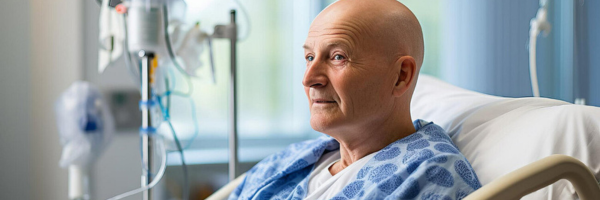
Cancer is a group of diseases characterized by the uncontrolled growth and spread of abnormal cells that can invade and damage surrounding tissues and organs.
Vision/Hearing Conditions
Vision and hearing conditions are disorders that impair the ability to see or hear, ranging from partial to complete loss of function, often requiring medical intervention or assistive devices.
Mental Health
Mental health conditions are a range of disorders that affect a person's emotional, psychological, and social well-being, influencing how they think, feel, and behave.
Reproductive Conditions
Reproductive conditions are medical disorders that affect the reproductive organs and functions, impacting fertility, sexual health, and overall reproductive system health.
Children's Conditions
Health conditions affecting children encompass physical or mental disorders impacting their growth, development, and overall well-being, often requiring specialized care.
Adolescent Conditions
Health conditions affecting adolescents include various physical and mental disorders that impact their growth, development, and emotional well-being during this transitional life stage.
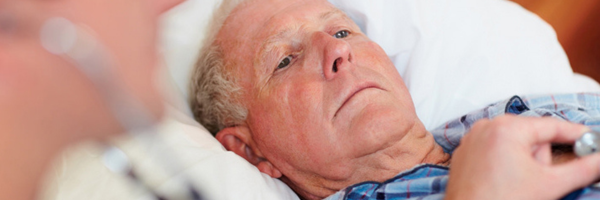
Geriatric Conditions
Health conditions affecting older adults, or geriatrics, are age-related disorders impacting physical and cognitive functions, often requiring tailored medical care for chronic illness management and quality of life maintenance.
Nutritional Conditions
Health conditions resulting from incorrect nutrition are disorders caused by imbalances or deficiencies in dietary intake, leading to issues such as malnutrition, obesity, and related diseases.
Infectious diseases are illnesses caused by pathogens such as bacteria, viruses, fungi, or parasites that can spread directly or indirectly from one person, animal, or organism to another.
Chronic health conditions are long-lasting health issues, typically lasting for months or years, that often require ongoing management and can significantly impact a person's daily life and well-being.
Respiratory conditions are medical disorders that affect the lungs and airways, impairing breathing and oxygen exchange, often due to inflammation, infection, or obstruction.
Gastrointestinal Conditions
Gastrointestinal conditions are disorders that affect the digestive tract, including the stomach, intestines, and related organs, leading to symptoms like pain, bloating, and altered digestion.
Cancer
Cancer is a group of diseases characterized by the uncontrolled growth and spread of abnormal cells that can invade and damage surrounding tissues and organs.
Vision/Hearing Conditions
Vision and hearing conditions are disorders that impair the ability to see or hear, ranging from partial to complete loss of function, often requiring medical intervention or assistive devices.
Mental Health
Mental health conditions are a range of disorders that affect a person's emotional, psychological, and social well-being, influencing how they think, feel, and behave.
Reproductive Conditions
Reproductive conditions are medical disorders that affect the reproductive organs and functions, impacting fertility, sexual health, and overall reproductive system health.
Nutritional Conditions
Health conditions resulting from incorrect nutrition are disorders caused by imbalances or deficiencies in dietary intake, leading to issues such as malnutrition, obesity, and related diseases.
Children's Conditions
Health conditions affecting children encompass physical or mental disorders impacting their growth, development, and overall well-being, often requiring specialized care.
Adolescent Conditions
Health conditions affecting adolescents include various physical and mental disorders that impact their growth, development, and emotional well-being during this transitional life stage.
Geriatric Conditions
Health conditions affecting older adults, or geriatrics, are age-related disorders impacting physical and cognitive functions, often requiring tailored medical care for chronic illness management and quality of life maintenance.